ASA Compliance Group Medical claims appeal Since 2016

Amazon flagged medical claims? We identify the exact claim that changed the product's risk category. We find the claim that moved the product, then correct every surface carrying it.

The words look ordinary. What matters is the purpose they describe, and that can sit in an image.

For cases we accept: the historical and current claim inventory across every surface, the product's actual intended use, and verification that the correction reached each one.

  • The problem A claim can move an ordinary product into a regulated category, and the trigger is often not in the text at all.
  • Why appeals fail The obvious phrase goes from the title while the same meaning stays in images, enhanced content and backend terms.
  • What we do Capture every surface current and historical, find what actually communicated the medical purpose, and verify each correction went live.

A real person reads your case and replies within about an hour.

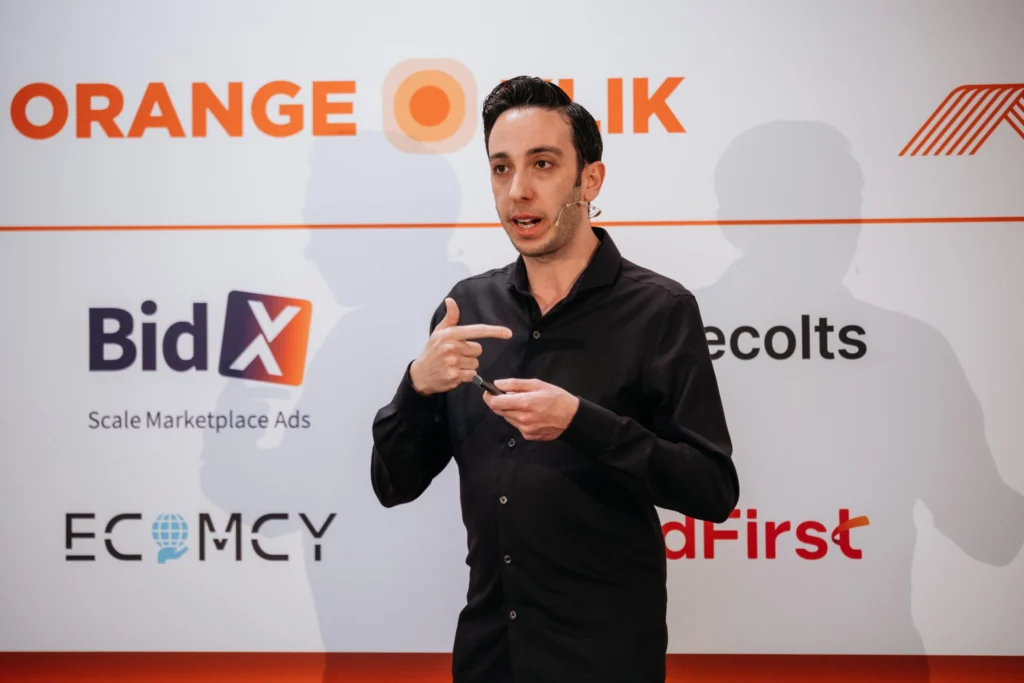
Or Shamosh on stage at the European Seller Conference, Prague, March 2025, speaking about Amazon enforcement and reinstatement
I speak about enforcement; I run appeals in Seller Central every day.

ASA Compliance Group operates Amazon Sellers Appeal. On claims files we inventory every surface, correct what moved the classification, and verify the live result in Seller Central.

Start here

Paste the notice and the ASIN

Include the flagged wording if it is named, what the product actually does, and the packaging and instructions. Four short steps. Or Shamosh reads every intake.

  • Every case is personally reviewed before we take it on.
  • Most first replies are sent within about an hour.
  • Eligible cases get a written Case Strategy tied to your Performance Notification.
Or Shamosh, Founder and CEO, ASA Compliance Group

Or Shamosh · Founder and lead strategist

5,500+ enforcement cases since 2016. Every intake is personally assessed before acceptance.

Send what you have, including prior DIY or agency appeals. We say what is viable in writing before you commit.

Questionnaire

If the questionnaire does not load, open intake on the account page.

What happens after you submit

  • You’ll receive a review email within about one hour.
  • If Amazon gave you a reply deadline, mention it in the form so we can time delivery to it.
  • If eligible, you receive a written Case Strategy: what is driving the enforcement, what we would argue, what evidence matters, and how we would run Seller Central.

Let's see what it will take to resolve this.

Why we ask: tell us what happened. A real person reviews what you send and replies in writing with your case strategy, including our assessment of the case and the approach we recommend. We also include the fee before you decide whether to proceed. No sales calls.

About 3 minutes. We save your progress as you go.

What happens when we take over
You submit intake; we run the claims file
YOU Submit intake with the notice, what the product does, and the packaging and instructions
WE Inventory every surface, current and historical, and identify what communicated the medical purpose
WE Correct each surface, or defend the claim where the status supports it, and verify live
GOAL A listing whose described purpose matches the product; Amazon decides the outcome
  • Since 2016 · Amazon reinstatement specialists
  • 5,500+ documented cases
  • 98% scoped historical rate
  • Full Seller Central handling for cases we accept

Across ASA’s accepted and fully managed enforcement cases (all notice types we take on), not medical claims matters alone. Details under Proof.

Knowledge

How words and images change Amazon's classification

Medical-claims enforcement is about intended use rather than the presence of health-related words. A claim that a product diagnoses, treats, cures, mitigates or prevents disease, or affects the structure or function of the body, can move an otherwise ordinary product into a regulated category.

That is why a keyword list is the wrong tool and this page does not publish one. The same word can be unremarkable on one product and controlling on another, because what matters is the purpose the whole presentation communicates: the surrounding text, the imagery, the product type, the audience and the implied promise.

Three things the notice may be asking for, and they are not the same request:

Remove the claims

The product is fine and its description is not. A complete, verified correction across every surface is the answer.

Prove the status

The product may genuinely be regulated. Then the answer is the classification evidence, not a denial that it is medical.

Both

Common. Inaccurate claims corrected, and the legitimate regulated status evidenced, without conceding either point wrongly.

One boundary worth stating early: a listing-level removal is not an account suspension, and the two are routinely confused in the same message. Amazon's disclosure and claim restrictions govern the marketplace side. FDA's own material on structure and function claims and cosmetic labelling claims explains where the regulatory line sits, and it is jurisdiction-specific. Where the outcome is that the product itself becomes ineligible, the lane is restricted products; where a claim is defensible because the product is tested and documented, product safety compliance may carry it; and the catalog half of any correction is incorrect detail page.

Triggers

The claims Amazon commonly flags

These are patterns rather than a blacklist. Whether any of them is a problem depends on the product and the whole presentation.

1. Treatment or prevention of disease

The clearest category. Language saying the product treats, cures, prevents or mitigates a named condition. Naming the condition is not required: describing its symptoms often carries the same meaning.

This is also where a defence is most likely to be legitimate rather than a retreat. If the product is genuinely regulated and authorised for that use, the answer is the status evidence, and the lane becomes FDA compliance.

2. Diagnostic language

The product detects, measures, screens for or indicates a condition. Measurement claims are particularly easy to make accidentally on devices that produce a number, because a number invites a clinical reading.

3. Pain, infection, inflammation or healing

The most common wording on ordinary consumer goods, and the most often assumed harmless. Supports, textiles, topicals and devices routinely carry relief, healing or antibacterial language written as marketing rather than as a claim.

Antimicrobial language deserves separate care: depending on the product and the target it can also raise a pesticide question, which is a different regulator and a different evidence set.

4. Structure or function of the body

The product changes how part of the body works. Metabolism, appetite, digestion, circulation, posture, sleep. This category is genuinely jurisdiction-dependent, and a claim permitted in one marketplace can be unauthorised in another under a register of approved wording.

Scientific support
Evidence that something is true. Necessary often, and not the same as permission.
Regulatory permission
Whether that wording may be used for that product in that marketplace. This is what a notice is usually about.

5. Images and enhanced content

Before-and-after photographs, body diagrams, clinical-style graphics, condition references, testimonials and comparison charts. An image can communicate a medical purpose entirely without text, and it survives every edit made to the written copy.

This is the single most common reason a corrected listing gets rejected again. The title is neutral, the enhanced content is not, and nobody looked.

Appeals

Why DIY medical-claims appeals get rejected

Reviewers check whether the medical purpose is still being communicated anywhere. Most rejected responses corrected the place it was easiest to see.

One surface corrected

The phrase removed from the title while equivalent meaning stays in bullets, images, enhanced content, video or backend terms.

Pointing at competitors

Others use the same words. That establishes nothing about this listing, and reviewers are looking at this one.

Blaming the manufacturer

The copy came from the brand. The seller remains responsible for content it contributes or adopts.

Studies instead of permission

General scientific literature offered where the question is whether that wording is permitted for that product in that marketplace.

Denying while the label says otherwise

The product called non-medical while its packaging, instructions or historical content describe medical use.

The claim comes back

Prohibited wording re-uploaded through a feed, enhanced content, advertising or external synchronisation after the appeal was filed.

The file

What a correct medical-claims file usually contains

Find what actually communicated the medical purpose, then correct every instance of it and prove each one landed.

Diagnosis

Start from the notice and identify the flagged claim if it names one. Often it does not, and the work is to find the strongest likely trigger from the full historical capture. Content that has since been edited can still be what drove the classification, so the history matters as much as the current page.

Then establish what the product actually is and does, from the physical packaging, the label, the instructions, any insert and the manufacturer's own intended-use material. This decides whether the route is correction or classification evidence, and guessing it is how files go in the wrong direction for weeks.

The surface inventory

Every place a medical purpose can be communicated, current and historical, each marked correct, to be corrected, or defensible:

  • Title, bullets and description
  • Images, including any text inside them
  • Enhanced brand content and video
  • Backend search terms, product type and browse node
  • Advertising copy and targeting
  • Packaging, inserts and instructions
  • External sites synchronising content in

The last two are outside the catalog and inside the problem. A physical insert making the claim is not fixed by any amount of catalog work.

Correction, or defence

Where the claims are inaccurate or unpermitted, correct them everywhere and keep the evidence of each removal. Where the product is genuinely regulated and authorised, the response should say so and prove it rather than denying the medical character, because a denial that the evidence contradicts damages the rest of the file.

Where a claim is defensible under a marketplace-specific authorised register, the wording usually has to match closely rather than approximately. A permitted claim rephrased for marketing is often no longer the permitted claim.

Where the exact claim is defensible because the product is lawfully classified or authorised for that intended use and the wording is permitted, the regulatory-status route carries it. Safety testing alone does not authorise a disease, treatment or medical-purpose claim. A test report answers whether the product is safe. It does not answer whether the sentence on the listing is one you are allowed to write.

Verification, surface by surface

Catalog work runs through prepared, uploaded, processed and live-verified, and each surface is checked on its own. A processing report saying rows were accepted says nothing about enhanced content or images.

Add the control that stops recurrence: who may write product copy, what patterns are prohibited, what gate approves a claim before publication, and where that record is kept. Feeds and external synchronisation need to be inside that gate, because they are the usual route back in.

Have ready when you submit intake

  • The exact notice text and the flagged claim if named
  • What the product is and what it actually does
  • Photographs of packaging, inserts and instructions
  • Current and historical listing content, all surfaces
  • Any regulatory status or authorised-claim basis
  • Feeds or external sources that write to the listing
  • Every prior appeal, case and Amazon reply

If enhanced content or video was created by someone else and cannot be edited quickly, say so. It changes the sequencing rather than the outcome, and it is better known at the start.

Proof

Documented outcomes

Scoped historical outcomes on cases we accepted and fully managed. One seller voice below; deeper galleries live on account reinstatement.

Since 2016 Amazon reinstatement specialists
5,500+ Documented enforcement cases
98% Scoped historical reinstatement rate
Seller Central We run the appeal for cases we accept
What the 98% figure means (population, success, review)

Population: historical cases ASA accepted and fully managed (we prepared the compliance response and ran follow-ups in Seller Central). The figure combines reinstatement and restoration work across notice types in that managed population, not medical claims matters alone. Declined intakes and self-serve template buyers are not in the rate.

Success: reinstatement or restoration of the privileges Amazon had restricted for that file (account, listing, verification, funds, or related, depending on the case). Amazon decides every outcome; the rate is not a guarantee for future cases.

Review: the underlying records were independently reviewed. Verified as of .

More methodology context and galleries: account reinstatement proof.

“In less than 24 hours after the appeal, my account was reactivated with all products available for sale.”

Alex Huditan · Seller · Account reactivated

More outcomes and video proof: account reinstatement proof.

FAQ

For sellers who already have the Performance Notification. Broader questions: full FAQ library.

Which words usually trigger a medical-claims review?
The useful focus is claim meaning rather than a list of words. Language about diagnosing, treating, curing, mitigating or preventing disease, or changing the structure or function of the body, can create risk depending on context. Review the surrounding text, the images, the product type, the audience and the implied promise across every catalog and physical surface.
Can images or enhanced content trigger the violation?
Yes, and they often are the trigger. Before-and-after images, body diagrams, condition references, clinical-style graphics, testimonials, comparison charts, enhanced modules and video can communicate a medical intended use even where the title is entirely neutral. Capture current and historical content, correct every surface, and verify what is actually live after processing.
What if the manufacturer makes the same claims?
That does not by itself make the claim acceptable on Amazon or appropriate for the product's regulatory status. Verify the claim, the intended use, any supporting authorisation, the physical label, the marketplace and the applicable policy. The seller remains responsible for the content it contributes or adopts and for representing the product accurately.
Is removing the claim enough?
Sometimes a complete and verified listing correction is the whole answer. It is not enough where the physical label makes the same claim, the product is genuinely regulated, old inventory remains, or Amazon asked for documentation rather than removal. Keep prepared, uploaded, processed and live-verified as separate states in any response.
What if the product really is a regulated device?
Then confirm the exact classification, the intended use, the manufacturer and model, the official listing or authorisation, the labelling and the seller-to-manufacturer relationship, and map each record to the listing. Correct inaccurate claims without denying a legitimate regulated status that the evidence supports, because being regulated is not itself the violation.
What do you need to start?
The notice text and the flagged claim if it names one, what the product actually does, photographs of packaging and instructions, the listing content across every surface, and every prior appeal or Amazon reply.
What is in the Case Strategy?
For eligible cases: which claim we think moved the classification, every surface still carrying it, whether the route is correction or status evidence, and the approval gate we would put in. Amazon’s decision is never guaranteed.

Send the notice. Get the strategy.

If Amazon removed a listing over medical or health claims, start with the questionnaire.

Listing removed rather than mis-described: listing reinstatement. Other notice names: all suspension types.