ASA Compliance Group FDA compliance appeal Since 2016

Amazon flagged an FDA issue? We reconcile the product, claims, regulatory status, and listing. We establish the product's actual regulatory status, then answer the requirement Amazon actually named.

Genuine documents get rejected here every day, because they answer a question the notice did not ask.

For cases we accept: the product and its intended use, the exact requirement in the notice, the official record that matches it, and every claim surface reconciled.

  • The problem Registration, listing, clearance, approval and exemption are different things, and a notice usually asks for one of them specifically.
  • Why appeals fail An establishment registration is sent as though it were approval, or a clearance belonging to another company's product.
  • What we do Establish what the product is and does, map it to the record that actually applies, and correct every claim surface that moved its classification.

A real person reads your case and replies within about an hour.

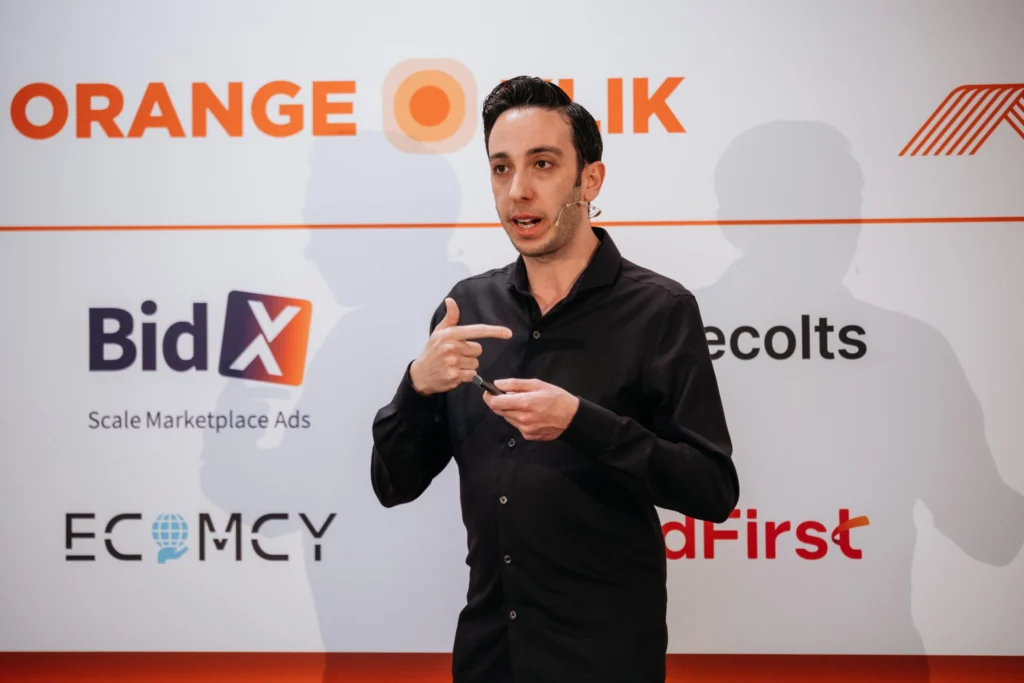
Or Shamosh on stage at the European Seller Conference, Prague, March 2025, speaking about Amazon enforcement and reinstatement
I speak about enforcement; I run appeals in Seller Central every day.

ASA Compliance Group operates Amazon Sellers Appeal. On FDA files we reconcile product, claims and official record, then either correct the catalog or evidence the status that already supports it. We are not regulatory counsel.

Start here

Paste the notice and the ASIN

Include what the product is and what it is for, photographs of the label and packaging, and any regulatory documents already sent. Four short steps. Or Shamosh reads every intake.

  • Every case is personally reviewed before we take it on.
  • Most first replies are sent within about an hour.
  • Eligible cases get a written Case Strategy tied to your Performance Notification.
Or Shamosh, Founder and CEO, ASA Compliance Group

Or Shamosh · Founder and lead strategist

5,500+ enforcement cases since 2016. Every intake is personally assessed before acceptance.

Send what you have, including prior DIY or agency appeals. We say what is viable in writing before you commit.

Questionnaire

If the questionnaire does not load, open intake on the account page.

What happens after you submit

  • You’ll receive a review email within about one hour.
  • If Amazon gave you a reply deadline, mention it in the form so we can time delivery to it.
  • If eligible, you receive a written Case Strategy: what is driving the enforcement, what we would argue, what evidence matters, and how we would run Seller Central.

Let's see what it will take to resolve this.

Why we ask: tell us what happened. A real person reviews what you send and replies in writing with your case strategy, including our assessment of the case and the approach we recommend. We also include the fee before you decide whether to proceed. No sales calls.

About 3 minutes. We save your progress as you go.

What happens when we take over
You submit intake; we run the FDA file
YOU Submit intake with the notice, the product and its intended use, and the label and packaging
WE Identify the requirement Amazon named and the record that would actually answer it
WE Correct the claim surfaces that changed the classification, or evidence the status that supports them, and verify the live result
GOAL A product, a record and a listing that agree, whether by correction or by evidence; Amazon decides the outcome
  • Since 2016 · Amazon reinstatement specialists
  • 5,500+ documented cases
  • 98% scoped historical rate
  • Full Seller Central handling for cases we accept

Across ASA’s accepted and fully managed enforcement cases (all notice types we take on), not FDA matters alone. Details under Proof.

Knowledge

What Amazon is testing in an FDA compliance case

There is no single FDA document problem. Amazon may be testing whether the product is a drug, a medical device, a cosmetic, a food, a supplement or something else; whether the registration, listing, clearance, approval, labelling or documentation that category requires exists; whether an approval claim is accurate; or whether the listing itself moved the product into a regulated category.

So the first job is narrow and unglamorous: read what the notice actually asked for. A response that supplies a genuine document answering a different question is the commonest way these cases stall, and it can repeat for months.

The vocabulary, because these six are routinely used as if they meant the same thing:

Registration and listing

For medical devices, an establishment registers with FDA and a device is listed. Both say a facility or product is on record. Neither says anything was reviewed. Other FDA-regulated categories use different registration, listing, application or authorisation systems, so read which one your notice names.

Clearance and approval

Different review pathways with different evidence behind them. Both are decisions about a specific product, not a company.

Exemption and compliance

An exemption removes one requirement under stated conditions. Compliance is meeting whatever still applies, which is usually more than nothing.

Common Amazon notices refer to 510(k) clearance or exemption for a medical device, an NDC or drug listing, or a New Drug Application. These records are not interchangeable, and an NDC listing does not mean FDA approval - the directory says so itself, stating that inclusion does not indicate the products are FDA-approved.

FDA states the first distinction itself, in its own guidance on registered versus approved, and describes what registration and listing are. Amazon's side sits in restricted products and its document requirements. Where the finding is eligibility rather than classification it belongs with restricted products, and where it is testing or an incident it belongs with product safety compliance. This page is diagnostic: regulatory conclusions depend on product facts and jurisdiction, and belong with qualified review.

Triggers

How these cases usually start

Most of these are not sellers offering unlawful products. They are ordinary goods whose paperwork or wording placed them somewhere unintended.

1. A regulated product without the right record

The product genuinely falls in a regulated category and the record that category requires is missing, belongs to someone else, or was never obtained. This is the branch where the answer may be that the product cannot be offered until something real changes.

Establish the category first from the product and its intended use. Working backwards from the document you happen to hold is how a case acquires a second problem.

2. A misleading approval claim

The listing says approved, cleared or certified when the record does not support that word. Sometimes the seller believed it; registration certificates are often presented by suppliers in ways that invite exactly this reading.

What an establishment registration shows
That a facility is on file with FDA. It is an administrative fact about a place.
What it does not
That any product was reviewed, cleared, approved or authorised. Those are separate decisions about specific products.

3. The listing changed the classification

The most common branch, and the most fixable. An ordinary product acquires a regulated intended use because of what the listing says it does. The physical item never changed; its described purpose did.

Intended use can be communicated in the title, bullets, images, enhanced content, video, backend terms, packaging, inserts, instructions or linked marketing. Which is why editing the title alone leaves the classification exactly where it was: see medical claims compliance for that analysis in full.

4. A document that does not match the product

The record is genuine and belongs to a different legal manufacturer, model, product code, intended use, applicant or address. Suppliers share documents freely and the coverage rarely travels with them.

  • A clearance held by the manufacturer for a different model in the range
  • An applicant name that does not match the entity on the label
  • A product code covering an adjacent device type
  • A record with no authorisation connecting it to the seller

Where you rely on another entity's record, the file needs the authorisation and the model-to-listing mapping as well as the record itself.

5. Medical intended-use language

Language describing diagnosis, treatment, mitigation or prevention of disease is the wording that most often moves a product, and it does not require the word medical to appear anywhere. A structure or function statement may or may not have that effect: it depends on the product category, the intended use and the exact wording, so read the three together rather than treating any such phrase as decisive.

Where the same language is printed on the unit, its packaging or its instructions, a catalog edit leaves the underlying position untouched. The physical and the digital both have to reach a compliant state, and they are corrected by different means.

Appeals

Why valid FDA records still get rejected

Reviewers are matching a specific requirement against a specific product. Genuine documents fail that match constantly.

Registration offered as approval

An establishment registration or database listing sent to answer a request for clearance or approval. They are different records.

Someone else's clearance

A record belonging to a different manufacturer, model, applicant or intended use, with no authorisation and no mapping to the product sold.

Title edited, nothing else

The obvious phrase removed while the same intended use remains in bullets, images, enhanced content, video, backend terms, packaging or inserts.

A category claimed, not shown

The product called a cosmetic or a wellness item while its own claims describe diagnosis, treatment or prevention.

Edited documents

Screenshots, partial records or documents with anything altered. Originals are checkable; edits end the conversation.

Physical label untouched

The catalog corrected while the unit, its packaging and its instructions still carry the claim that created the classification.

The file

What a correct FDA file usually contains

What the product is, what the notice asked for, and the record that connects them. In that order, because the third depends on the first two.

Diagnosis

Record the exact request and any rejection reasons, the listing, the product type, the category and the marketplace. Then describe the product physically: what it is made of, how it works, whether it has a powered function, a delivery mechanism, a measurement or an active ingredient. Regulatory category follows from function and intended use, and both are established from the object.

Photograph the whole label and packaging, the instructions, the warnings, the ingredients or materials, the model numbers and the manufacturer or importer identity. What the unit says about itself is often decisive and is frequently the part nobody has looked at.

The claim inventory

Capture every surface that could carry intended use, current and historical, because the classification may have been driven by content that is no longer visible:

  • Title, bullets and description
  • Images, including text rendered inside them
  • Enhanced brand content and video
  • Backend search terms, product type and browse node
  • Packaging, inserts and instructions for use
  • Advertising and any external synchronised content

Mark each as compliant, to be corrected, or defensible. A claim that is accurate and permitted for a genuinely regulated product should not be deleted in a panic; removing legitimate content can weaken a correct classification argument.

The record that answers the requirement

Then the official evidence appropriate to the category: the registration or listing, the clearance, the approval, the monograph status, the drug listing context, or the exemption basis, mapped to the exact manufacturer, model and intended use. Where you rely on another entity's record, add the authorisation and the mapping.

Say plainly what each record establishes and what it does not. A file that claims less and proves it reads far better than one that overstates and gets checked, and the checking here is against public databases.

Both surfaces corrected

Catalog corrections run through prepared, uploaded, processed and live-verified. Physical corrections have their own states, and inventory already produced does not change because a page did. Report each honestly, and see incorrect detail page for the catalog half.

Where the requirement is documentation rather than correction, Amazon's compliance submission route is the path, and the document requirements in its product-document rules decide whether what you send is usable at all.

Have ready when you submit intake

  • The exact notice text and any rejection reasons
  • What the product is, and what it is for
  • Photographs of the label, packaging and instructions
  • Ingredients or materials, model and manufacturer
  • Any regulatory records you hold or rely on
  • Current and historical listing content
  • Every prior appeal, case and Amazon reply

If you are relying on a supplier's document, say whose it is. That single fact changes what the file needs, and discovering it late has cost cases weeks.

Proof

Documented outcomes

Scoped historical outcomes on cases we accepted and fully managed. One seller voice below; deeper galleries live on account reinstatement.

Since 2016 Amazon reinstatement specialists
5,500+ Documented enforcement cases
98% Scoped historical reinstatement rate
Seller Central We run the appeal for cases we accept
What the 98% figure means (population, success, review)

Population: historical cases ASA accepted and fully managed (we prepared the compliance response and ran follow-ups in Seller Central). The figure combines reinstatement and restoration work across notice types in that managed population, not FDA matters alone. Declined intakes and self-serve template buyers are not in the rate.

Success: reinstatement or restoration of the privileges Amazon had restricted for that file (account, listing, verification, funds, or related, depending on the case). Amazon decides every outcome; the rate is not a guarantee for future cases.

Review: the underlying records were independently reviewed. Verified as of .

More methodology context and galleries: account reinstatement proof.

“In less than 24 hours after the appeal, my account was reactivated with all products available for sale.”

Alex Huditan · Seller · Account reactivated

More outcomes and video proof: account reinstatement proof.

FAQ

For sellers who already have the Performance Notification. Broader questions: full FAQ library.

Does FDA registration mean my product is approved?
No. Establishment registration, product listing, clearance, approval and compliance are different regulatory concepts, and which one applies depends on the product category, intended use, manufacturer, model and what Amazon actually requested. The response should map the listing to the applicable official record rather than offering a registration as a substitute for product authorisation.
What if my product is exempt from premarket notification?
An exemption can be relevant once the classification, product code, intended use, the limits of the exemption, the establishment and device records and the model identity are confirmed. Present the official basis and map it to the exact product and manufacturer. An exemption from one requirement does not remove the others that still apply.
Can listing claims make a product a medical device or drug?
Yes. Intended-use claims in titles, bullets, images, enhanced content, video, backend terms, packaging, instructions or linked marketing can affect classification. Review the whole presentation for diagnosis, treatment, mitigation, prevention or body-function language, then establish whether the product is properly regulated or whether unsupported claims need correcting.
Why was my manufacturer's document rejected?
Usually because something in it does not match: a different legal manufacturer, model, product code, intended use, applicant, address, document type or regulatory status. Compare the document line by line against the listing, the physical label, the notice and the official database, and add authorisation and model mapping when relying on another entity's record.
Do I need to change the physical packaging as well?
If the claim that created the problem appears on the unit, the packaging, an insert or the instructions, a listing-only edit leaves it in place. Establish the compliant target state for both the physical and the digital surfaces, contain nonconforming inventory, and describe the work as complete only once affected units and live catalog content have both been verified.
What do you need to start?
The notice text and any rejection reasons, what the product is and what it is for, photographs of the label and packaging, any regulatory records you hold, and every prior appeal or Amazon reply.
What is in the Case Strategy?
For eligible cases: what we think the requirement actually is, which record would answer it, every claim surface that affects the classification, and what would need qualified regulatory review rather than ours. Amazon’s decision is never guaranteed.

Send the notice. Get the strategy.

If Amazon requested FDA documents or reclassified your product, start with the questionnaire.

Listing removed rather than mis-described: listing reinstatement. Other notice names: all suspension types.