ASA Compliance Group Parallel import appeal Since 2016

Amazon flagged a parallel import? We test genuineness, territory, product differences, and the complaint route. We compare the regional versions properly, then take the route that marketplace allows.

The goods are original. That is where this analysis starts rather than where it finishes.

For cases we accept: the source and intended market, a systematic regional comparison, the import and authorization records, and the complaint route.

  • The problem Genuine goods made for another market can differ in ways that matter here, and small differences can be material.
  • Why appeals fail One country's first-sale reasoning is applied everywhere, or genuineness is offered as the whole answer.
  • What we do Compare the regional versions field by field, assemble the import and authorization record, and route the legal question locally.

A real person reads your case and replies within about an hour.

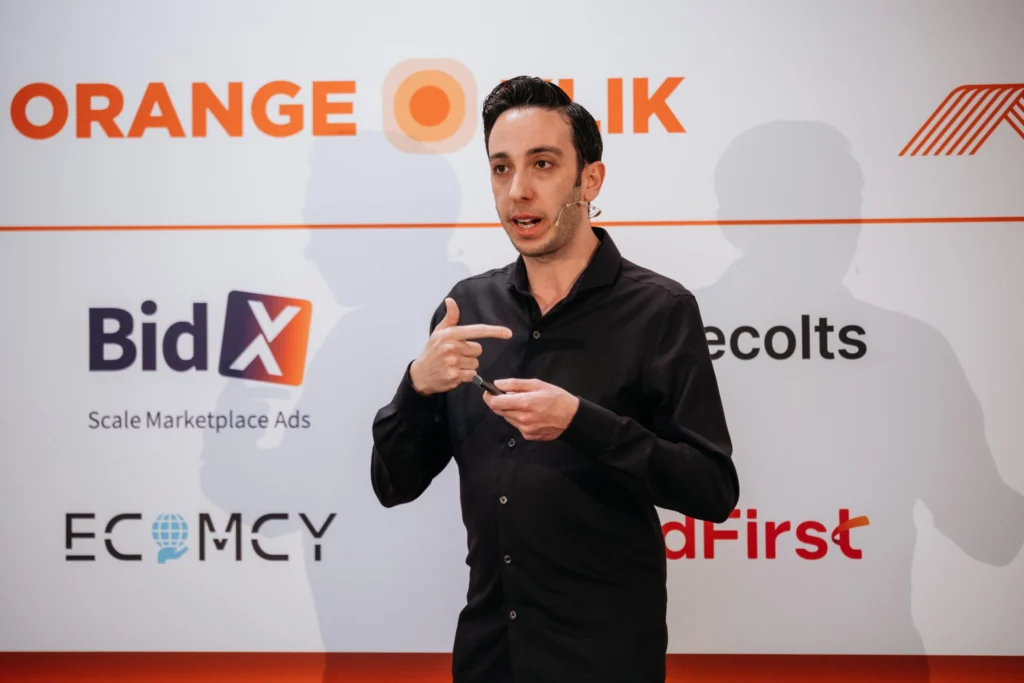
Or Shamosh on stage at the European Seller Conference, Prague, March 2025, speaking about Amazon enforcement and reinstatement
I speak about enforcement; I run appeals in Seller Central every day.

ASA Compliance Group operates Amazon Sellers Appeal. On parallel-import files we build the comparison and the chain, and run the Seller Central route. Jurisdictional legal questions go to local counsel.

Start here

Paste the notice and the ASIN

Include the source country, the marketplace, and how the regional version differs. Four short steps. Or Shamosh reads every intake.

  • Every case is personally reviewed before we take it on.
  • Most first replies are sent within about an hour.
  • Eligible cases get a written Case Strategy tied to your Performance Notification.
Or Shamosh, Founder and CEO, ASA Compliance Group

Or Shamosh · Founder and lead strategist

5,500+ enforcement cases since 2016. Every intake is personally assessed before acceptance.

Send what you have, including prior DIY or agency appeals. We say what is viable in writing before you commit.

Questionnaire

If the questionnaire does not load, open intake on the account page.

What happens after you submit

  • You’ll receive a review email within about one hour.
  • If Amazon gave you a reply deadline, mention it in the form so we can time delivery to it.
  • If eligible, you receive a written Case Strategy: what is driving the enforcement, what we would argue, what evidence matters, and how we would run Seller Central.

Let's see if we can get you reinstated.

Why we ask: tell us what happened and a real Amazon specialist reads it, usually within an hour, then replies in writing with our read on the case and what we would argue.

About 3 minutes. We save your progress as you go.

What happens when we take over
You submit intake; we run the parallel-import file
YOU Submit intake with the notice, the source country, and how the version differs
WE Compare the regional versions systematically and assemble the import record
WE Run the dispute, authorization, correction or withdrawal route, with local counsel where it controls
GOAL A position the marketplace and the record support; Amazon decides the outcome
  • Since 2016 · Amazon reinstatement specialists
  • 5,500+ documented cases
  • 98% scoped historical rate
  • Full Seller Central handling for cases we accept

Across ASA’s accepted and fully managed enforcement cases (all notice types we take on), not parallel import matters alone. Details under Proof.

Knowledge

What a parallel-import complaint means

A parallel import is a genuine product sourced outside the distribution channel intended for the marketplace where it is offered. Sellers also know it as the gray market, which is a description rather than an accusation: the goods are real and the question is whether they may be sold here.

The risk can come from territorial trademark rights, exhaustion rules, material differences, warranty coverage, language or labelling, regulatory approval, plugs and voltage, formulation, model, packaging, importer identity, or a rights-owner complaint. Genuine does not automatically mean eligible, and that sentence is the whole page.

What has to be established before any defence is chosen:

The two markets

Where the goods were made for, and where they are being sold. The gap between those is the case.

The differences

Everything about the regional version that differs from the one this marketplace expects, however small it looks.

The complaint

Whether a rights owner filed, or Amazon acted on its own signal. Different routes out.

Legal rules here vary by jurisdiction and this page does not state them. A first-sale or exhaustion explanation that holds in one market does not carry to another, and Amazon's own European regulatory guidance warns about illegal parallel imports without supplying one worldwide rule. Where the answer turns on exhaustion, import legality or material-difference law, it belongs with qualified local counsel.

Triggers

How these cases usually start

Almost all of them begin with a sourcing decision that was commercially sensible and territorially invisible.

1. Goods bought for another region

A supplier offers the same product cheaper because it was produced for a different market. Everything about the transaction is ordinary, and the goods arrive carrying another market's assumptions.

2. Material regional differences

The version differs in ways a customer here would notice. This is where most parallel-import cases are actually decided, and where sellers most often underestimate what counts:

  • Voltage, plug type or frequency
  • Language on packaging, labelling and instructions
  • Formulation, ingredients or materials
  • Warranty coverage and who honours it
  • Model code or regional generation
  • Included accessories and components
  • Regulatory marks, certifications and safety approvals
  • Customer support and service availability

A difference that looks minor to a seller can be material to the analysis. Deciding it is immaterial from appearance is the single most common error in this lane.

3. A territorial rights-owner complaint

The brand objects to distribution into this market specifically. The goods being authentic is common ground and does not answer the objection, which is about where they are being sold rather than what they are.

Where the same complaint alleges the goods are not genuine at all, it is a counterfeit claim and the evidence is different. Establish which is actually asserted before responding.

4. A warranty or regulatory mismatch

The product cannot be supported, certified or lawfully offered here in the form it arrived: a missing local certification, a warranty that does not travel, labelling that does not meet local requirements.

Customs cleared it
The goods entered the country lawfully. An import fact, and a real one.
What that does not settle
Trademark rights in this market, marketplace eligibility, regulatory conformity, or whether the differences are material.

5. An import documentation gap

The chain exists commercially and not on paper. Customs records, distribution terms and authorization for this territory are the documents that are usually missing, because nobody needed them until the complaint arrived.

Where the mismatch is really that the product does not match the listing it is attached to, that is a different item question rather than a territorial one.

Appeals

Why DIY parallel-import appeals get rejected

Reviewers are looking at territory and differences. Most rejected responses prove the goods are real, which was never disputed.

Genuine, therefore allowed

Authenticity offered as the complete answer where the objection is about the market the goods were made for.

One market's rule everywhere

A first-sale or exhaustion explanation from one jurisdiction applied to a marketplace it does not govern.

Differences waved through

Warranty, language, labelling, formulation, voltage, accessories or certification treated as immaterial because they look small.

Invoices as eligibility

Purchase records that prove a transaction, sent to answer lawful import, market eligibility or authorization.

Contacting the owner early

The rights owner approached, or legal admissions made, before the jurisdiction and complaint have been reviewed.

Tax records and photographs

Documents proving purchase and appearance offered where territorial authority and equivalence were the questions.

The file

What a correct parallel-import file usually contains

The two markets, the differences between the versions, and the chain that brought the goods here.

Diagnosis

Record the notice, any complaint identifier, the rights owner's identity, the listing, the marketplace, the source country and the market the goods were intended for. Establish whether the complaint asserts territorial rights, material differences, regulatory failure, or that the goods are not genuine at all.

The regional comparison

Put the version you sell beside the version this marketplace expects and record every difference with evidence, including the ones that appear trivial:

  • Model code, generation and identifiers
  • Voltage, plug and frequency
  • Language on pack, label and instructions
  • Formulation, ingredients or materials
  • Warranty terms and who honours them
  • Included accessories and components
  • Regulatory marks and certifications
  • Packaging and importer identity

Record differences without characterising them as immaterial. Whether a given difference is material is a legal standard in most jurisdictions, and it is answered by local counsel rather than by the person compiling the list.

The chain and the authority

Invoices and chain-of-supply records, supplier identity, customs and import documentation, and any distribution or authorization terms covering this territory. The last of those is what is usually missing, and it is what most directly answers a territorial objection.

A direct invoice supports sourcing. It does not establish upstream authority to distribute into this marketplace, and Amazon's invoice requirements set what sourcing evidence must look like before it is even usable. Where the objection is about how the mark is used rather than where the goods came from, see trademark infringement; where traceability itself is contested, inauthentic product violations.

The route, and the boundary

Depending on the record: an evidence-led dispute, a rights-owner route including a possible retraction, a listing correction disclosing the version accurately, or withdrawal. A retraction resolves the complaint it names and leaves any separate catalog, regulatory or account issue open.

The boundary is firm. Organising the notice, the supply chain, the comparison and the records is operational. Trademark exhaustion, first sale, import legality, customs, distribution restrictions, regulatory approval and material-difference law are legal questions for qualified counsel in that specific jurisdiction.

Have ready when you submit intake

  • The notice and any complaint identifier
  • The marketplace, source country and intended market
  • Photographs of the product and packaging, all sides
  • The differences you already know about
  • Invoices, customs and import records
  • Any distribution or authorization terms
  • Every prior appeal, case and Amazon reply

If you do not know which market the goods were produced for, say so. It is usually recoverable from the packaging, the model code or the supplier, and it is the fact the rest of the analysis hangs on.

Proof

Documented outcomes

Scoped historical outcomes on cases we accepted and fully managed. One seller voice below; deeper galleries live on account reinstatement.

Since 2016 Amazon reinstatement specialists
5,500+ Documented enforcement cases
98% Scoped historical reinstatement rate
Seller Central We run the appeal for cases we accept
What the 98% figure means (population, success, review)

Population: historical cases ASA accepted and fully managed (we prepared the compliance response and ran follow-ups in Seller Central). The figure combines reinstatement and restoration work across notice types in that managed population, not parallel import matters alone. Declined intakes and self-serve template buyers are not in the rate.

Success: reinstatement or restoration of the privileges Amazon had restricted for that file (account, listing, verification, funds, or related, depending on the case). Amazon decides every outcome; the rate is not a guarantee for future cases.

Review: the underlying records were independently reviewed. Verified as of .

More methodology context and galleries: account reinstatement proof.

“In less than 24 hours after the appeal, my account was reactivated with all products available for sale.”

Alex Huditan · Seller · Account reactivated

More outcomes and video proof: account reinstatement proof.

FAQ

For sellers who already have the Performance Notification. Broader questions: full FAQ library.

Are genuine products always allowed as parallel imports?
No. Genuine goods can still create marketplace risk, because territorial trademark rights, exhaustion rules, warranty, labelling, language, formulation, voltage, regulatory approval, model, accessories and other material differences vary by jurisdiction. Identify the source country, the intended market, the destination marketplace and the exact complaint before choosing a defence.
What counts as a material difference?
A product or commercial characteristic that can matter to consumers or to the rights analysis: warranty, language, labelling, formulation, voltage, plug, accessories, regulatory marks, model, packaging, support or quality control. Compare the regional units systematically and obtain local legal review where the standard controls the answer.
Do invoices prove the right to sell in this marketplace?
Invoices prove a transaction and can support chain of supply, and they do not automatically establish lawful import, territorial rights, authorization, marketplace eligibility, regulatory compliance or the absence of material differences. Combine them with customs, distribution, product-comparison, warranty, label, regulatory and authorization records as the case requires.
Can a rights-owner retraction resolve the case?
It can be an effective route where the rights owner filed the complaint and submits a valid withdrawal through Amazon's required channel. Verify the complaint identifier, the listing, the marketplace and the scope of the retraction. Separate catalog, regulatory or account issues may remain even after the complaint is withdrawn.
When is local legal advice needed?
Where the response depends on trademark exhaustion, first sale, import legality, customs, distribution restrictions, regulatory approval, material-difference law or rights-owner negotiations in a specific jurisdiction. Operational work can organise the notice, the supply chain, the product comparison and the records, and should not supply definitive legal conclusions.
What do you need to start?
The notice and any complaint identifier, the marketplace and source country, photographs of the product and packaging, the differences you know about, your import and sourcing records, and every prior appeal or Amazon reply.
What is in the Case Strategy?
For eligible cases: the regional comparison as we read it, which route the record supports, what the chain does and does not establish, and exactly which questions need local counsel. Amazon’s decision is never guaranteed.

Send the notice. Get the strategy.

If Amazon flagged genuine imported goods, start with the questionnaire.

Listing removed rather than mis-described: listing reinstatement. Other notice names: all suspension types.