ASA Compliance Group Trademark complaint appeal Since 2016

Amazon received a trademark complaint? We determine whether the case needs a rebuttal, correction, or retraction. We establish what use is actually alleged, then choose the route that answers it.

The goods are genuine and the complaint can still be right, because it is about the mark rather than the product.

For cases we accept: the complaint and the asserted mark, where the challenged use actually sits, and whether the route is rebuttal, correction, authorization or retraction.

  • The problem Sourcing and trademark use are separate questions, and invoices answer only the first of them.
  • Why appeals fail Purchase records get sent against an allegation about how a mark appears in the title, images or packaging.
  • What we do Locate the challenged use precisely, test which of the four routes the record supports, and run that one.

A real person reads your case and replies within about an hour.

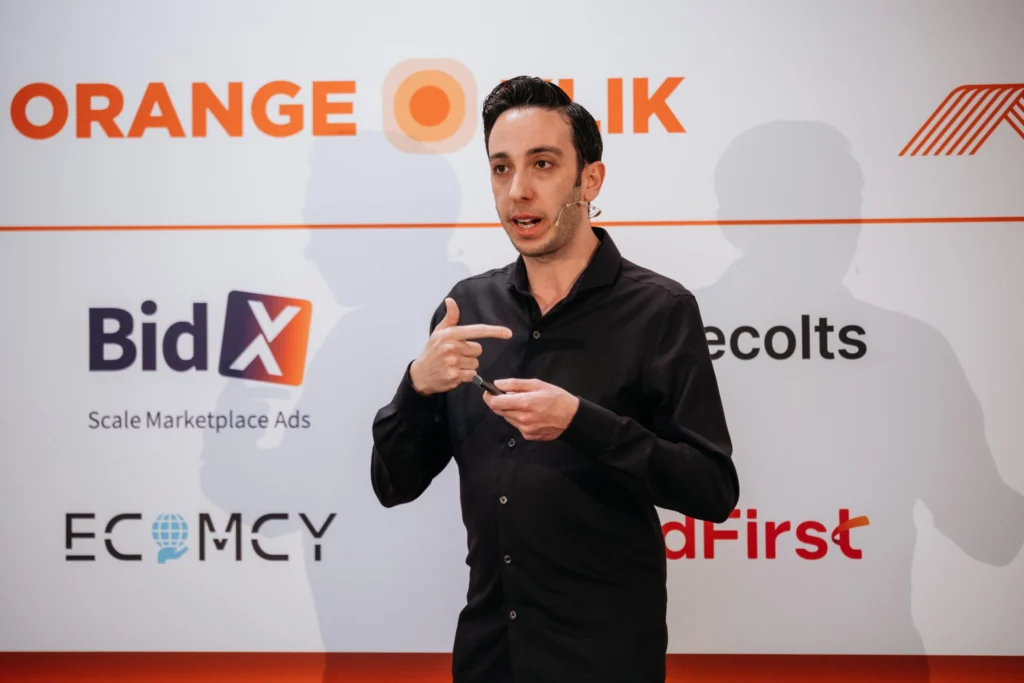
Or Shamosh on stage at the European Seller Conference, Prague, March 2025, speaking about Amazon enforcement and reinstatement
I speak about enforcement; I run appeals in Seller Central every day.

ASA Compliance Group operates Amazon Sellers Appeal. On trademark files we identify the challenged use and run the route in Seller Central. Legal conclusions belong with qualified counsel.

Start here

Paste the complaint and the ASIN

Include the complaint identifier, the mark asserted, and where the brand appears on your listing and product. Four short steps. Or Shamosh reads every intake.

  • Every case is personally reviewed before we take it on.
  • Most first replies are sent within about an hour.
  • Eligible cases get a written Case Strategy tied to your Performance Notification.
Or Shamosh, Founder and CEO, ASA Compliance Group

Or Shamosh · Founder and lead strategist

5,500+ enforcement cases since 2016. Every intake is personally assessed before acceptance.

Send what you have, including prior DIY or agency appeals. We say what is viable in writing before you commit.

Questionnaire

If the questionnaire does not load, open intake on the account page.

What happens after you submit

  • You’ll receive a review email within about one hour.
  • If Amazon gave you a reply deadline, mention it in the form so we can time delivery to it.
  • If eligible, you receive a written Case Strategy: what is driving the enforcement, what we would argue, what evidence matters, and how we would run Seller Central.

Let's see what it will take to resolve this.

Why we ask: tell us what happened. A real person reviews what you send and replies in writing with your case strategy, including our assessment of the case and the approach we recommend. We also include the fee before you decide whether to proceed. No sales calls.

About 3 minutes. We save your progress as you go.

What happens when we take over
You submit intake; we run the trademark file
YOU Submit intake with the complaint, the mark asserted, and where the brand appears
WE Locate the challenged use and test which route the record actually supports
WE Run the rebuttal, correction, authorization or retraction route and verify the result
GOAL A response aimed at the allegation made; Amazon decides the outcome
  • Since 2016 · Amazon reinstatement specialists
  • 5,500+ documented cases
  • 98% scoped historical rate
  • Full Seller Central handling for cases we accept

Across ASA’s accepted and fully managed enforcement cases (all notice types we take on), not trademark matters alone. Details under Proof.

Knowledge

What Amazon means by a trademark complaint

This page is for the seller who received the complaint. Amazon normally identifies the affected listing, a complaint identifier, the rights owner or its agent, and the alleged issue. The allegation may concern a protected word, a logo, packaging, compatibility wording, an image, product branding, or authenticity framed through trademark rights.

Amazon acts here as a marketplace enforcement channel. It is not making a final court determination of infringement, and a removal is not a finding that one occurred. That matters practically: it means the record can still be built, and it means a removal is not something to concede to.

Four routes, and the record decides which is available rather than the seller's preference:

Retraction

The rights owner withdraws the complaint through Amazon's channel. Direct when it is available, and it is not always.

Non-infringement

The use is permitted, descriptive, or the complaint identifies the wrong product. Needs the exact use documented.

Authorization

A licence or distribution right covering this product, territory, marketplace and dates. Scope is everything here.

Correction

The use was not defensible. Remove or rewrite it across every surface and say so plainly.

The distinction that catches most sellers: invoices address authenticity and chain of supply, not trademark use. A genuine product can be sourced perfectly and still create a trademark issue in how the mark appears. Amazon's trademark policy for sellers sets out the concepts; the legal analysis is jurisdiction-specific and belongs with counsel. Where the underlying question is whether the goods can be traced at all, that is inauthentic product violations, a different burden with different documents.

Triggers

Where the challenged use usually sits

Finding it precisely is most of the work, because the complaint often names the listing rather than the sentence.

1. A protected term in the title or bullets

A brand name used in the written listing. Sometimes to describe genuine goods, sometimes for search traffic, sometimes inherited from a supplier's copy without anyone considering it.

The distinction that matters is whether the use identifies the product's source or describes something about it. That is a legal question with a jurisdiction-specific answer, which is why this page describes the analysis rather than concluding it.

2. A logo or mark on images or packaging

The mark appears on the product, its box or the listing images. Where the goods are genuine this can be entirely ordinary; where they are not, or where the packaging was altered, it is the allegation itself.

Photograph what actually ships, on every side. A complaint about appearance cannot be answered with a description of appearance.

3. Compatibility wording

Naming another brand to say what your product works with. Frequently legitimate and frequently done in a way that invites the complaint, because the wording implies more than compatibility.

Usually defensible
Wording that truthfully identifies what the product fits, in Amazon's accepted format, without the other brand in the brand field.
Usually not
Placement or prominence suggesting sponsorship, manufacture or ownership, or the brand used mainly to attract search traffic.

Where the brand field itself carries the other brand, the lane is brand misuse and the evidence is different.

4. A rights-owner complaint on genuine goods

The products are authentic and the owner objects anyway. This is where material differences, territorial rights, altered packaging and warranty differences enter, and where genuineness stops being a complete answer.

Where the objection is really about the market the goods were made for, it is parallel import; where it is that the goods are not what they appear to be, it is a counterfeit claim. Both have their own evidence.

5. Repeated complaints

Several complaints, or the same complainant across several listings. The unit of work is each listing and each complaint identifier, with one consistent position across them, because inconsistency between responses is itself a finding.

Appeals

Why DIY trademark appeals get rejected

Reviewers are looking at how a mark was used. Most rejected responses prove where the goods came from.

Invoices against a use allegation

Sourcing records sent where the complaint is about how the mark appears in the title, images or packaging. Different questions.

Ownership as the argument

“We bought them legitimately” offered where the complaint is about material differences, territorial rights, altered packaging or the specific use alleged. Ownership of the goods does not answer any of those.

Conceding too early

Infringement accepted when the complaint may be factually wrong, procedurally defective, or aimed at a different product.

Contacting the complainant first

An emotional message sent before the complaint record is preserved and the posture chosen, which can create admissions or a demand.

Brand-owner material

Registration and enrolment advice offered by a seller who is accused, which answers the opposite question to the one asked.

A corrective plan on a disputed case

A plan of action that implicitly admits the allegation when the seller's actual position is that it is wrong.

The file

What a correct trademark file usually contains

Establish the allegation, then the use, then the route. The route is a conclusion rather than a starting point.

Diagnosis

Record the notice, the complaint identifier, the listing, the rights owner's identity, the asserted mark, its registration number if supplied, and the exact marketplace. Preserve all of it before editing anything, because the listing state at complaint time is part of the record.

Then locate the challenged use precisely. Current and historical listing text, images, enhanced content, packaging, product photographs and backend terms, with the specific location of the mark identified rather than described.

The registry record

Check the asserted mark rather than assuming it: status, ownership, the goods and services it covers, and the jurisdiction. A mark can be registered for goods unrelated to the product, held by someone other than the complainant, or lapsed.

Read it carefully rather than mechanically. What the register says and what it means for this product are different, and the second is where counsel earns their fee.

Authorization, where it applies

A licence, distribution agreement or authorization letter is only as good as its scope: the named territory, the product, the marketplace, the dates, and whether the issuer had authority to grant it. Amazon's expectations for these documents are specific, and rejections here are usually about authority and authentication rather than about the appeal's wording.

Trace the chain to the recorded owner. An authorization from an intermediary who cannot show their own right to grant it establishes nothing, and that gap is what most rejected letters have in common.

The route, and the boundary

Then choose: retraction, non-infringement, authorization or correction. Where correction is right, do it across every surface and say plainly what changed. Where the position is a dispute, do not send a corrective plan that concedes it.

The boundary is worth stating on the page and in the file. Assembling the notice, the product, the registry record and the use comparison is operational work. Turning those into a conclusion about infringement is legal work, and it should be reviewed by qualified counsel before it is sent.

Correction and complaint resolution are different events. Correcting a listing may resolve an Amazon-generated suspected-use warning, and it makes the listing compliant going forward. It does not automatically remove a rights-owner complaint already recorded in Account Health: that needs retraction by the complainant, or a dispute where the claim is wrong. And if the complaint is about how the product looks rather than about a mark, it is a design-patent matter with its own routes: see design patent complaints.

Have ready when you submit intake

  • The notice and the complaint identifier
  • The rights owner named and the mark asserted
  • The listing, current and as it was at complaint time
  • Photographs of the product and packaging, all sides
  • Any licence, authorization or distribution agreement
  • Invoices and chain-of-supply records
  • Every prior appeal, case and Amazon reply

If you have already contacted the complainant, include that correspondence. It shapes what is still available, and finding out later is worse than reading it now.

Proof

Documented outcomes

Scoped historical outcomes on cases we accepted and fully managed. One seller voice below; deeper galleries live on account reinstatement.

Since 2016 Amazon reinstatement specialists
5,500+ Documented enforcement cases
98% Scoped historical reinstatement rate
Seller Central We run the appeal for cases we accept
What the 98% figure means (population, success, review)

Population: historical cases ASA accepted and fully managed (we prepared the compliance response and ran follow-ups in Seller Central). The figure combines reinstatement and restoration work across notice types in that managed population, not trademark matters alone. Declined intakes and self-serve template buyers are not in the rate.

Success: reinstatement or restoration of the privileges Amazon had restricted for that file (account, listing, verification, funds, or related, depending on the case). Amazon decides every outcome; the rate is not a guarantee for future cases.

Review: the underlying records were independently reviewed. Verified as of .

More methodology context and galleries: account reinstatement proof.

“In less than 24 hours after the appeal, my account was reactivated with all products available for sale.”

Alex Huditan · Seller · Account reactivated

More outcomes and video proof: account reinstatement proof.

FAQ

For sellers who already have the Performance Notification. Broader questions: full FAQ library.

Do I need a retraction to remove the violation?
Not in every case. A retraction can be the most direct route when the rights owner withdraws a valid complaint through Amazon's required channel, and a seller may instead have a supported non-infringement, permitted-use, wrong-product or corrected-listing response. The complaint record decides which route is credible.
Are invoices enough to answer a trademark complaint?
Invoices can help establish genuine sourcing and chain of supply, and they do not automatically answer how a mark was used in the title, images, packaging, product or compatibility statement. Connect the sourcing evidence to the exact allegation, then address authorization, permitted use, material differences or listing correction separately.
Can I use another brand name to describe compatibility?
Compatibility references may be permitted where they truthfully identify what a product works with and do not suggest sponsorship, manufacture or brand ownership. Review the exact wording, placement, prominence, images and product branding, use Amazon's accepted compatibility format where it applies, and remove confusing uses across every catalog surface.
What if the complaint names the wrong product?
Build a precise mismatch record using the complaint identifier, the named listing, the asserted mark, product photographs, listing history, identifiers and the actual item sold. State exactly what is wrong and ask for that specific finding to be corrected. Preserve the notice and avoid changing the factual record while investigating.
Should I contact the rights owner immediately?
First verify the complainant, the complaint identifier, the asserted right, the affected product and what outcome they want. A focused contact may seek clarification or a retraction, and the message should avoid admissions, threats and unsupported legal conclusions. Preserve all correspondence and keep preparing the Amazon response, because a reply is not assured.
What do you need to start?
The notice and complaint identifier, the rights owner and mark asserted, the listing as it stands and as it was, photographs of the product and packaging, any authorization, and every prior appeal or Amazon reply.
What is in the Case Strategy?
For eligible cases: where we think the challenged use sits, which of the four routes the record supports, what we would ask Amazon for, and what needs qualified legal review before it is sent. Amazon’s decision is never guaranteed.

Send the complaint. Get the strategy.

If Amazon received a trademark complaint against your listing, start with the questionnaire.

Listing removed rather than mis-described: listing reinstatement. Other notice names: all suspension types.