ASA Compliance Group Variation abuse appeal Since 2016

Amazon flagged variation abuse? We reconstruct the family, contribution history, and review impact. We rebuild the family the category actually allows, then prove the live result.

The notice names a few ASINs. The family that has to be reconstructed is usually larger than that.

For cases we accept: the category's permitted theme, the full parent-child history, review movement, and verification that the rebuilt family is live.

  • The problem Shared branding feels like a family, and the category rule decides. Those two disagree more often than sellers expect.
  • Why appeals fail A parent gets deleted, a file gets uploaded, and neither is checked against what the storefront now shows.
  • What we do Test every child against the permitted theme, rebuild or separate accordingly, and verify each relationship on the live page.

A real person reads your case and replies within about an hour.

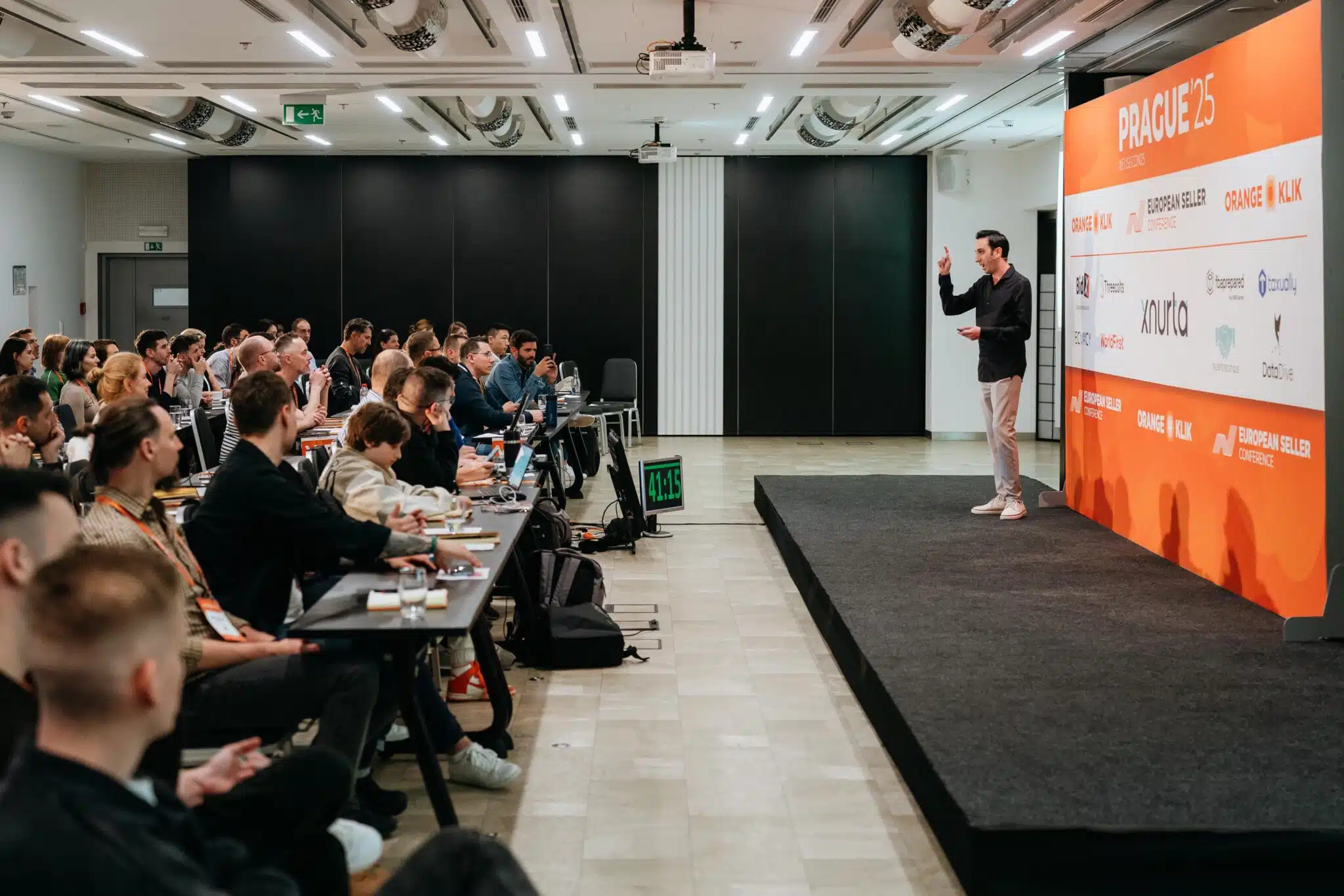
Or Shamosh on stage at the European Seller Conference, Prague, March 2025, speaking about Amazon enforcement and reinstatement
I speak about enforcement; I run appeals in Seller Central every day.

ASA Compliance Group operates Amazon Sellers Appeal. On variation files we reconstruct the family and its history, then rebuild and verify it in Seller Central.

Start here

Paste the notice and the family

Include every parent and child ASIN, the category and variation theme, and any merge, split or Vine history. Four short steps. Or Shamosh reads every intake.

  • Every case is personally reviewed before we take it on.
  • Most first replies are sent within about an hour.
  • Eligible cases get a written Case Strategy tied to your Performance Notification.
Or Shamosh, Founder and CEO, ASA Compliance Group

Or Shamosh · Founder and lead strategist

5,500+ enforcement cases since 2016. Every intake is personally assessed before acceptance.

Send what you have, including prior DIY or agency appeals. We say what is viable in writing before you commit.

Questionnaire

If the questionnaire does not load, open intake on the account page.

What happens after you submit

  • You’ll receive a review email within about one hour.
  • If Amazon gave you a reply deadline, mention it in the form so we can time delivery to it.
  • If eligible, you receive a written Case Strategy: what is driving the enforcement, what we would argue, what evidence matters, and how we would run Seller Central.

Let's see what it will take to resolve this.

Why we ask: tell us what happened. A real person reviews what you send and replies in writing with your case strategy, including our assessment of the case and the approach we recommend. We also include the fee before you decide whether to proceed. No sales calls.

About 3 minutes. We save your progress as you go.

What happens when we take over
You submit intake; we run the variation file
YOU Submit intake with the notice, every parent and child ASIN, and the category involved
WE Test each child against the category's permitted theme and reconstruct the history
WE Rebuild or separate the family and verify each relationship on the live page
GOAL A structure the category actually permits; Amazon decides the outcome
  • Since 2016 · Amazon reinstatement specialists
  • 5,500+ documented cases
  • 98% scoped historical rate
  • Full Seller Central handling for cases we accept

Across ASA’s accepted and fully managed enforcement cases (all notice types we take on), not variation matters alone. Details under Proof.

Knowledge

What Amazon usually means by variation abuse

A variation-abuse notice means Amazon believes parent-child relationships were created or changed outside the category's valid variation theme. That can mean unrelated products grouped, duplicate parents or children, reviews pooled across materially different items, or structure used to gain ranking rather than to describe products.

The notice may name a few ASINs, and the affected family is usually broader. A response scoped to the named ASINs tends to leave the rest of the structure in place, which is why the same finding returns.

A worked example, because the rule is easier seen than stated. Take a cotton t-shirt sold in three colours and four sizes:

Valid

One parent, twelve children, differing only by colour and size. Same garment, same fabric, same cut. Colour and size are permitted themes in that category.

Invalid

The same parent gains a hoodie, a cap and a tote bag. Same brand, same buyer, different products. Brand is not a variation theme.

The test

Would a customer regard these as the same product in a different option, or as different products? The category's theme list decides, not the seller.

Amazon's variation relationship rules set out when related products may share a parent, and the creation mechanics cover how the family is built. Both are category-specific, and a theme that is permitted in one category is not automatically permitted in another.

Variation validity and review sharing are now separate questions. Since Amazon's 2026 change, reviews are shared across a family only where Amazon considers the differences to be eligible minor, non-functional ones. A family can therefore remain valid while its children no longer share a review set, and losing shared reviews is not by itself evidence that the family is abusive. Answer the validity question on the relationship between the products, not on what happened to the reviews. Where the concern is that reviews were moved rather than that the family was wrong, that is a different notice and is worked through on the review manipulation page.

Triggers

How these cases usually start

Most variation files are not somebody gaming reviews. They are structures that were reasonable commercially and were never checked against the category rule.

1. Children that are not variants of one product

The most common start. Products that belong together in a catalogue sense, grouped under one parent because they share a brand, a buyer or a use. The rule is narrower than any of those.

  • Different product types sharing a parent because the brand is the same
  • Accessories attached to the product they accessorise
  • Materially different formulations grouped as if they were sizes

Each child has to be tested on its own: brand, product identity, attributes, and whether the difference between it and its siblings is one the category actually lists as a theme. A child that turns out to be a genuinely separate product needs its own record, which is an ASIN creation question.

2. An invalid or deprecated theme

The family was built under a theme that the category no longer offers, or never offered. This one is often not the seller's doing at all: themes change, and a structure that was compliant when it was created can stop being so.

The route is to rebuild under a currently allowed theme or to separate the children into standalone records. Which of those applies is a category question, and it should be answered before anything is dissolved.

3. Reviews pooled across different products

Variation changes can cause reviews to be shared across eligible children, so Amazon looks at whether a family was structured to move review weight rather than to describe products. A valid family does not automatically qualify for shared reviews. Review movement is visible in the history even when the current structure looks tidy.

Keep the response on product identity and permitted structure. Arguing about the reviews themselves concedes the framing, and shared reviews are a consequence of the structure rather than proof of intent either way.

4. Duplicate parents or children

The same product appears twice inside a family, or two parents describe the same set. This overlaps with catalog duplication, and where the underlying problem is two records for one product it belongs on duplicate ASIN violations rather than here.

The two lanes interact: a merge inside a family moves reviews as well as records, so an identity question and a structure question can arrive together and need answering in that order.

5. Repeated merge and split activity

Children moved between parents, families dissolved and rebuilt, ASINs merged and separated over time. Due-diligence reviews look specifically for records that were merged, repurposed, inherited, or given replacement identifiers to retain review or sales history.

The worst version is doing more of this while the violation is under review. Creating new parents or moving children mid-appeal reads as continuing the conduct, whatever the intention was.

Appeals

Why DIY variation appeals get rejected

Reviewers compare the notice against the family as it stands now. Most rejected responses change something and never confirm what changed.

Deleting the parent

One parent is dissolved, the rest of the family is left as it was, and the resulting live state is never checked.

Brand as the argument

The children share a brand or a category, offered as though that were the test. The permitted theme is narrower and category-specific.

A general letter

A plan of action that never names which relationships were wrong, who created them, or what exactly was corrected.

Restructuring mid-review

New parents created or children moved while the violation is open, which reads as continuing rather than correcting.

History left out

Vine enrolment, review-sharing changes, deprecated themes, earlier uploads and third-party feeds go unmentioned, and they are often what drove the flag.

Upload reported as done

A Batch ID or an accepted processing row described as a corrected storefront. Neither shows the live family.

The file

What a correct variation file usually contains

Reconstruct before you change anything. The history is what explains the finding, and it is the part that disappears once the family is edited.

Diagnosis

Record the notice, every named ASIN, and then the complete parent-child family rather than the named subset. Add the marketplace, the category, and the variation theme in use. The category's template or valid-value rules as they stood at the relevant time are part of this, because themes change.

Then pull what the storefront cannot show: contribution history, Category Listings Reports, earlier flat files and their processing reports, Batch IDs, merge and split cases, Vine enrolment, and the review-sharing timeline. A family that looks simple today often has a history that explains the entire finding.

The child-by-child test

Each child is assessed on its own against the category's permitted theme, and the result recorded either way. This is the core of the file:

  • Brand and product identity for each child
  • The single attribute that is meant to differ, and whether the category lists it as a theme
  • Attributes that differ but should not, such as formulation or product type
  • Specifications and photographs proving which children are genuinely the same product
  • Who contributed each relationship, and when

The output is a disposition per child: stays in the family, moves to its own record, joins a different family, or is disputed because Amazon separated a valid one.

The rebuild, and the order it happens in

Removing invalid children, dissolving a parent, rebuilding under an allowed theme and disputing an incorrect finding are four different remedies. Which applies comes from the test above, not from the notice, and doing the wrong one leaves the finding in place while destroying the evidence.

Where the underlying issue is a wrong attribute rather than a wrong relationship, the lane is incorrect detail page. Where a parent carries a brand that the products do not, it is brand misuse.

Live verification

Four states, and they are not the same thing: prepared, uploaded, processed and live-verified. A Batch ID says a file was submitted. A processing report says which rows Amazon accepted. Neither says what the storefront shows.

What a Batch ID and a processing report show
That a file reached Amazon, and which rows were accepted or rejected. Both are about the submission.
What only a live check shows
The parent-child structure a customer now sees, which children display, and how reviews present across the children that are eligible to share them.

So the file closes on a fresh parent-child report plus individual detail-page checks for every affected ASIN, with dates and enough context to identify each relationship. Reviews may be shared across eligible children, so the review presentation is part of what is verified.

Have ready when you submit intake

  • The exact notice text and every ASIN it names
  • The full parent-child family, not only the named part
  • Marketplace, category and the variation theme in use
  • Product specifications and photographs for each child
  • Contribution, merge and split history
  • Vine enrolment and any review-sharing changes
  • Every prior appeal, case and Amazon reply

If part of the history is not retrievable, say so rather than reconstructing it from memory. A stated gap is workable; a confident account that the records later contradict is not.

Proof

Documented outcomes

Scoped historical outcomes on cases we accepted and fully managed. One seller voice below; deeper galleries live on account reinstatement.

Since 2016 Amazon reinstatement specialists
5,500+ Documented enforcement cases
98% Scoped historical reinstatement rate
Seller Central We run the appeal for cases we accept
What the 98% figure means (population, success, review)

Population: historical cases ASA accepted and fully managed (we prepared the compliance response and ran follow-ups in Seller Central). The figure combines reinstatement and restoration work across notice types in that managed population, not variation matters alone. Declined intakes and self-serve template buyers are not in the rate.

Success: reinstatement or restoration of the privileges Amazon had restricted for that file (account, listing, verification, funds, or related, depending on the case). Amazon decides every outcome; the rate is not a guarantee for future cases.

Review: the underlying records were independently reviewed. Verified as of .

More methodology context and galleries: account reinstatement proof.

“In less than 24 hours after the appeal, my account was reactivated with all products available for sale.”

Alex Huditan · Seller · Account reactivated

More outcomes and video proof: account reinstatement proof.

FAQ

For sellers who already have the Performance Notification. Broader questions: full FAQ library.

What makes a variation relationship invalid?
A parent-child relationship becomes risky when the children are not genuine variations of the same product type under the category's rules, when the theme is invalid, when materially different products are combined, or when the structure moves reviews or discovery weight. Every child should be assessed by brand, product identity, attributes and the category's permitted theme.
Can products in the same brand always share a parent?
No. A common brand does not make different product types or materially different items valid variations. Children have to share the required core identity and differ only through an allowed theme, such as size or colour where the category permits it. Review each child independently before rebuilding the family.
Do I need to delete the parent?
It depends on the family. The remedy may be removing invalid children, dissolving the parent, rebuilding a compliant relationship, or disputing an incorrect finding. Preserve the current and historical structure first, identify the correct end state, then verify the processing result and the live catalog after any change.
How do Vine and review-sharing rules affect the case?
Variation changes can cause reviews to be shared across eligible children, so Amazon may examine whether a family was structured to pool reviews or hold rank. Document when each child and relationship was created, the theme it used, Vine participation and the review history, and keep the response focused on product identity and compliant structure. Since Amazon's January 2026 review-sharing announcement this is two questions rather than one: whether the family is valid, and whether its differences are eligible for shared reviews. A valid family whose children stopped sharing reviews is a normal outcome of that change.
What proof shows the catalog is actually corrected?
Category template or flat-file records, Batch IDs, processing reports, a current parent-child report, individual detail-page checks and live storefront verification for every affected ASIN. Record prepared, uploaded, processed and live-verified separately, and date the screenshots with enough context to identify each ASIN and relationship.
What do you need to start?
The notice text, every parent and child ASIN in the family, the marketplace and category, whatever contribution and merge history you can pull, and every prior appeal or Amazon reply.
What is in the Case Strategy?
For eligible cases: a disposition per child against the category's permitted theme, the order the rebuild should happen in, what we would dispute rather than change, and how we would verify the live family afterwards. Amazon’s decision is never guaranteed.

Send the notice. Get the strategy.

If Amazon flagged variation abuse or split a family, start with the questionnaire.

Listing removed rather than mis-described: listing reinstatement. Other notice names: all suspension types.